
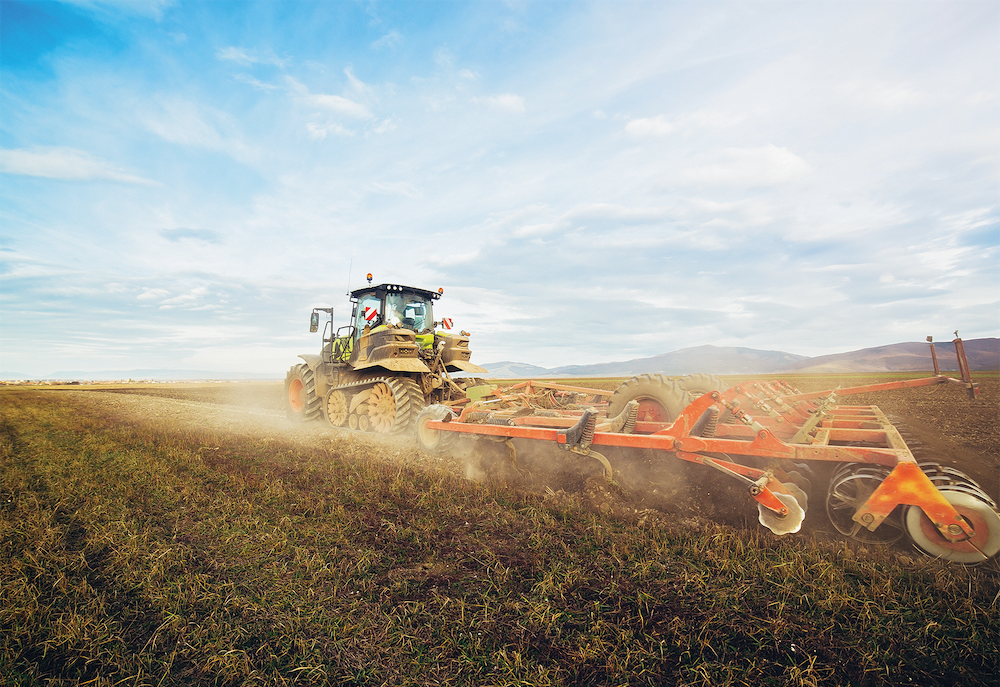
California has no shortage of agricultural innovation.
Across the state, growers are testing new approaches, researchers are developing technologies, startups are building products, colleges are preparing students, and regional organizations are creating programs tailored to their communities.
The challenge is connecting them.
A startup may need a grower willing to evaluate its technology, but not know where to begin. A farmer may be interested in automation or water-management tools, but lack a clear way to identify credible solutions. An educator may want to introduce students to drones or robotics without knowing which curriculum or training program is available nearby.
The resources often exist. The pathway between them is less clear.
The California AgTech Alliance was created to address that gap by connecting nine agricultural regions through a coordinated statewide network. Rather than replacing regional programs, the Alliance is helping them work together—making it easier to share knowledge, refer participants, coordinate field trials, and connect people with programs outside their immediate region.
Creating Clearer Pathways Across the State
During its first months of implementation, the Alliance brought partners together to begin mapping their roles and capabilities.
Its first statewide working session focused on developing a Partner Referral Map and designing a Network Navigation process. Partners examined what each organization offers, where programs overlap, and when a participant should be referred from one organization or region to another.
The goal is straightforward: someone entering the network should not need to understand the entire California AgTech ecosystem to find help.
A founder looking for commercialization support might enter through a regional innovation partner and be referred to a field-validation program. An educator interested in drone instruction could connect with the appropriate regional training hub. A grower with a technology need could be introduced to researchers, startups, or demonstration opportunities.
As these pathways become more established, the Alliance can serve as a statewide front door while regional partners continue delivering the specialized, locally grounded support they know best.
A Network Beginning to Work in Practice
Several early activities show what this connected model can accomplish.
Through UC ANR Innovate Connect, agricultural technology companies are being matched with growers, researchers, industry experts, and Research and Extension Centers. For a recent vineyard-focused cohort, 23 applicants were reviewed and seven companies were selected for field-based engagement at Hopland. A coastal vegetable cohort attracted another 30 applicants, with nine companies selected.
In agricultural biologicals, five companies from a global applicant pool are now working with UC researchers to develop six California research projects. Four projects are underway, connecting emerging technologies with scientific expertise and real growing conditions.
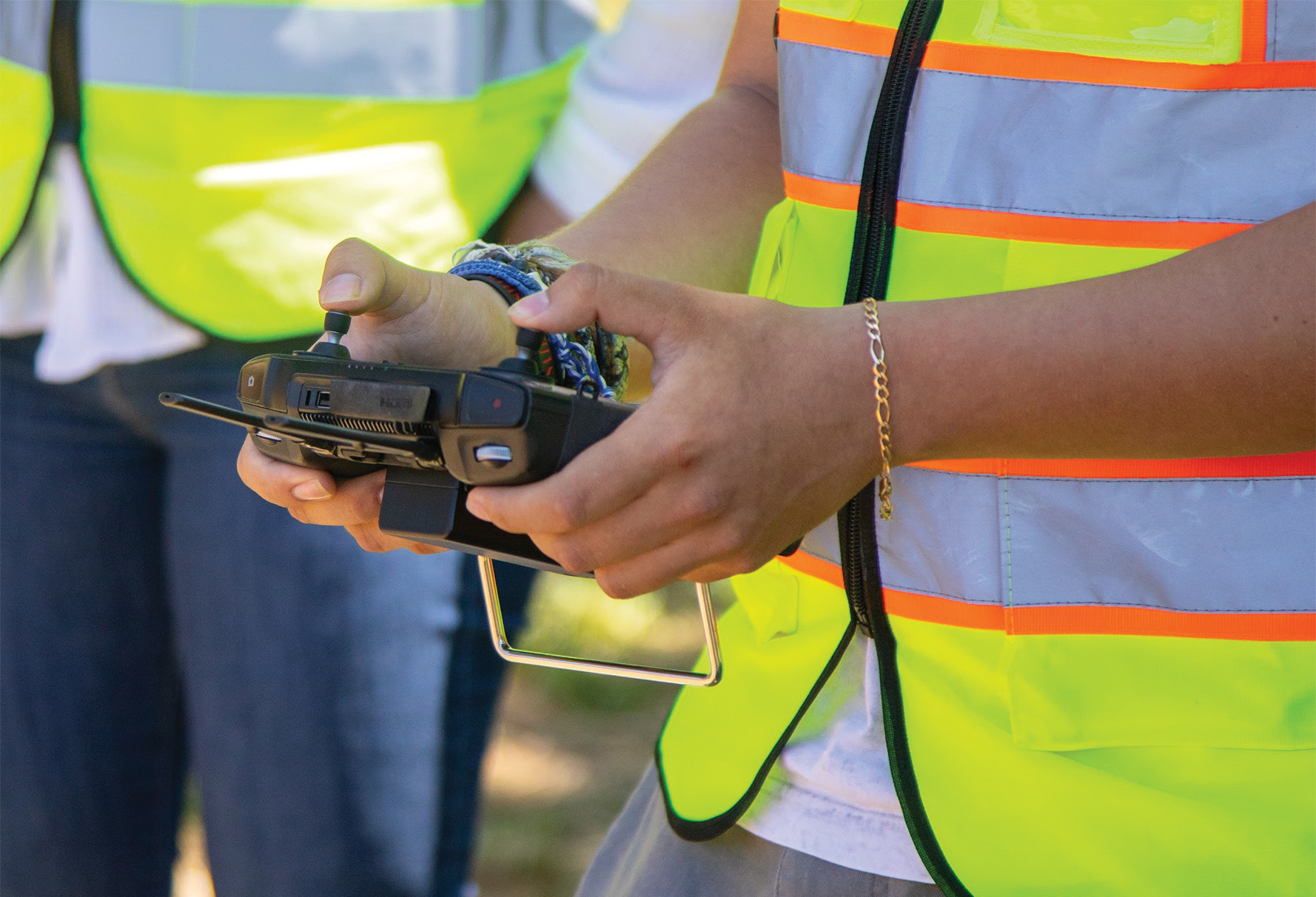
The network is also opening pathways for students and educators. Ten AgTech field days introduced approximately 184 students to technologies and careers across several California regions. A statewide drone-education initiative has generated interest from 116 institutions while regional hubs prepare educators to bring drone curriculum and applied training into their communities.
These are not isolated activities. Each represents a connection between organizations, regions, infrastructure, and people who might not otherwise have found one another.
Building the Next Layer of the Network
The Alliance is now developing additional tools to make those connections more visible and accessible.
Work is underway to expand the public website, activate an agrifood technology investor network, build an investor directory, complete the Partner Referral Map, and establish a process for Innovation Grants. The Alliance is also preparing a statewide convening and new tools that partners can use to share programs, events, opportunities, and results.
Together, these efforts are intended to create a more navigable agricultural innovation ecosystem—one in which a promising idea can find the right field, a grower can find relevant expertise, and a student can see a pathway into a changing industry.
Statewide coordination does not mean treating every region the same. California agriculture is powerful because of its regional diversity. The purpose of the network is to make those regional strengths easier to access, combine, and scale.
The measure of success will not simply be how many organizations join or how many meetings are held. It will be whether a farmer, founder, educator, worker, or student can enter the network and reach the right next connection.
That is the statewide infrastructure the California AgTech Alliance is beginning to build.