
Profiles & Interviews
How DUCC Connects Drone Training to Career Opportunities
Drones Uplifting California Communities trains the teachers who bring drone skills into classrooms. In Lincoln, Dan Alcorn is turning that training into class projects and career pathways for his students.
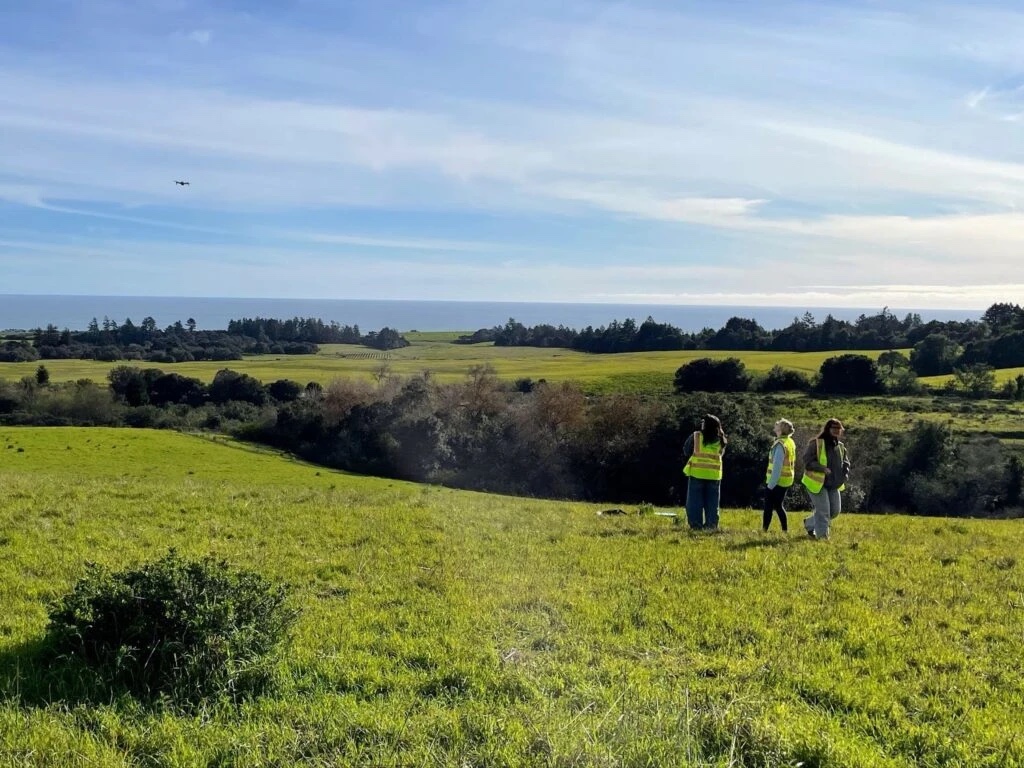
By the California AgTech Alliance
Published October 30, 2026
Tags
For a drone to help assess a field or monitor vegetation, someone has to plan a safe flight, collect useful imagery and turn it into information a land manager can use. Building those skills is a central part of preparing people to work with the technology.
Drones Uplifting California Communities, or DUCC, approaches that workforce challenge through education. With support through the California AgTech Alliance, the program trains teachers and instructors who can bring drone learning into high schools and community colleges. Its goal is to prepare people for work in fields such as precision agriculture, infrastructure and environmental monitoring.
Led by UC Santa Cruz’s CITRIS Initiative for Drone Education and Research, DUCC brings together UC Merced’s CITRIS FLY, UC ANR’s IGIS program and Orange Coast College to support instructor training and curriculum development. Preparing an educator gives that training a way to reach successive groups of students through their local schools.
That connection between professional training and classroom opportunity is taking shape in Lincoln, where Dan Alcorn teaches science and career education at Phoenix High School and ATLAS Learning Academy. He wanted students at the two alternative education schools to have more elective options connected to science and careers.
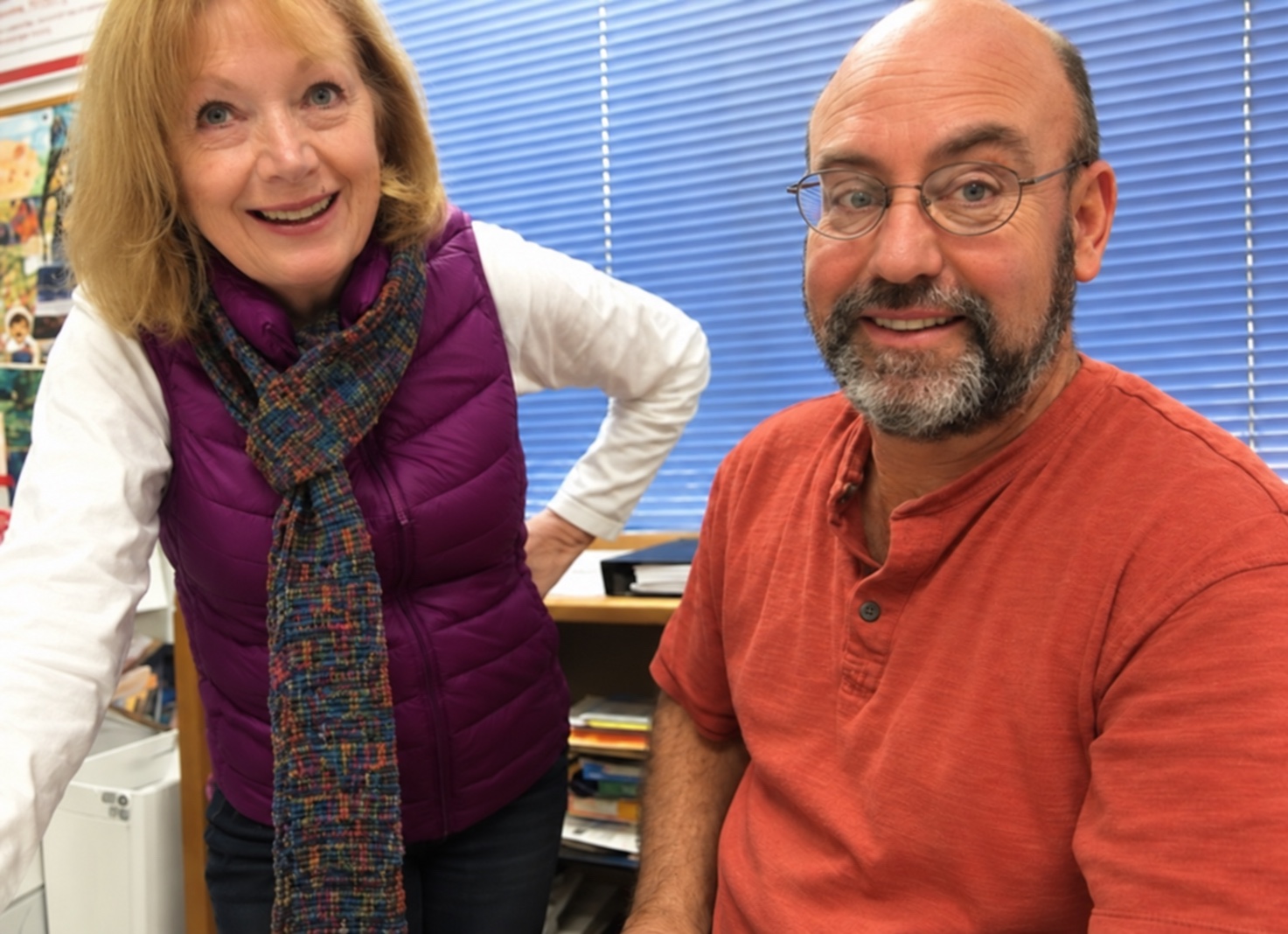
DroneCamp helped him see the possibilities. The five-day training program covers drone use for fieldwork and mapping, welcoming beginners as well as more experienced users. Its workshops connect flight practice with mission planning, safety, image processing and data analysis, the work that makes aerial imagery useful.
“Drone Camp has been invaluable to me, letting me see and access the larger world of drones,” Alcorn said.
He credits UC ANR’s 4-H SkyMappers curriculum with providing a foundation in drone basics. DUCC’s Part 107 preparation then helped him earn his remote pilot certificate.
The DUCC training “topped everything off, by teaching me how to pass the test and get the 107 License,” he said. “It worked and I now have that.”
That credential is an important step toward professional drone operations. The FAA’s Remote Pilot Certificate demonstrates knowledge of aviation rules, operating requirements and safe procedures for flights under Part 107. Practical training adds experience in planning flights, handling equipment and working with the information drones collect.
“The training through UC ANR 4-H is being used constantly,” Alcorn said. He has brought drone activities into a daytime class period and twice-weekly after-school sessions.
One project involves working with the management team at Turkey Creek golf course to monitor and begin cataloging different types of Bermuda grass along its fairways and greens. It gives students a local example of how drone technology connects with land management.
For Alcorn, the hope is that these experiences will help students see technical skills as something they can carry into their working lives.
“I hope these experiences make these students more confident and comfortable with technology and jobs, that having some unique skills, such as drone utilization, can set them apart as they go forward in their lives,” he said.
Stories