
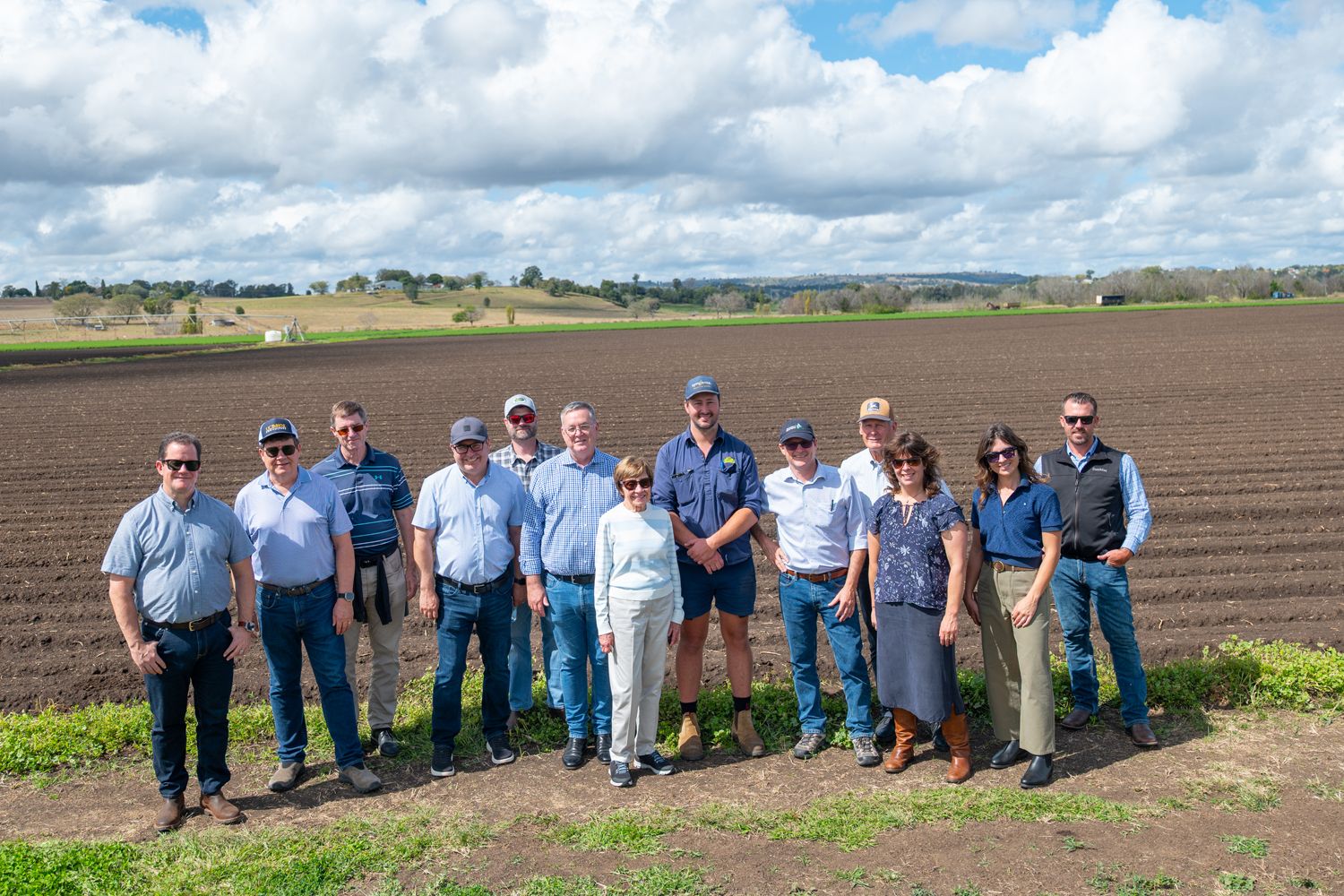
In August, the California AgTech Alliance joined a delegation to Australia led by California Department of Food and Agriculture Secretary Karen Ross, alongside major players in California agriculture, including UC Agriculture and Natural Resources, Western Growers, F3 Innovate, Reservoir Farms, Sustainable Conservation, Terranova Ranch, Carriere Family Farms and the California Avocado Commission.
The mission was framed as a climate and trade policy exchange. Over ten days, we traveled through Queensland and Victoria, visiting farms, research facilities, nurseries and technology companies, and joining workshops with growers, researchers, businesses and public agencies, comparing how two major agricultural regions approach innovation, workforce development and climate resilience.
For the Alliance, it was also a chance to examine our own model alongside Australia’s. We wanted to understand how Queensland and Victoria connect growers, researchers, businesses and public agencies, how those relationships support innovation, and what we could learn from their approach to strengthen the Alliance’s work in California.
Highlights from the visit
Across the delegation’s farm visits, research facilities and discussions with Australian partners, four themes emerged: automation, water and resource management, workforce development, and getting research into practical use. These themes overlapped throughout the trip, connecting what we saw on individual farms with broader questions about how agricultural innovation is supported.
Automation was visible across the Queensland visits. At Barden Farms, electric weeders and automated transport prompted discussion about adapting equipment to different soils, crops and working conditions. Visits to Boomaroo Nurseries and SwarmFarm Robotics extended that perspective, from automated seedling production and plant handling to autonomous equipment for field operations. Together, the visits offered a view of automation across different parts of agricultural production.
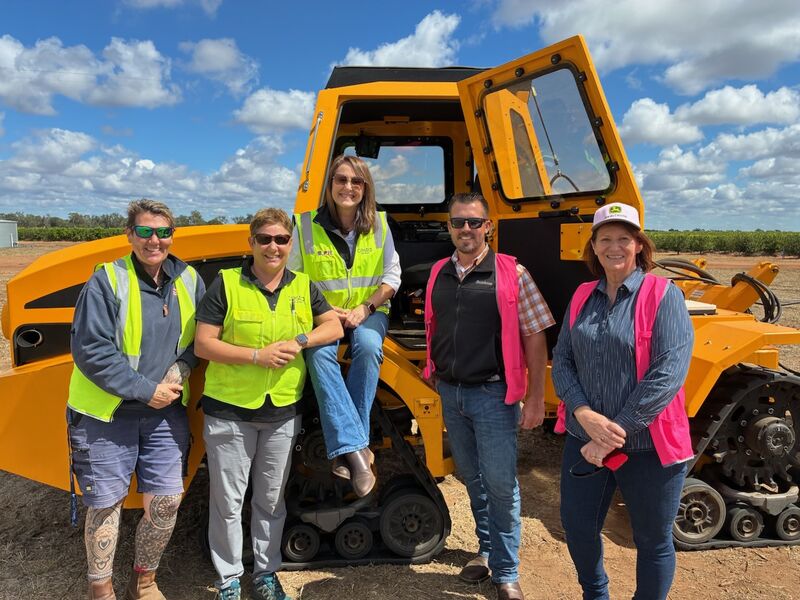
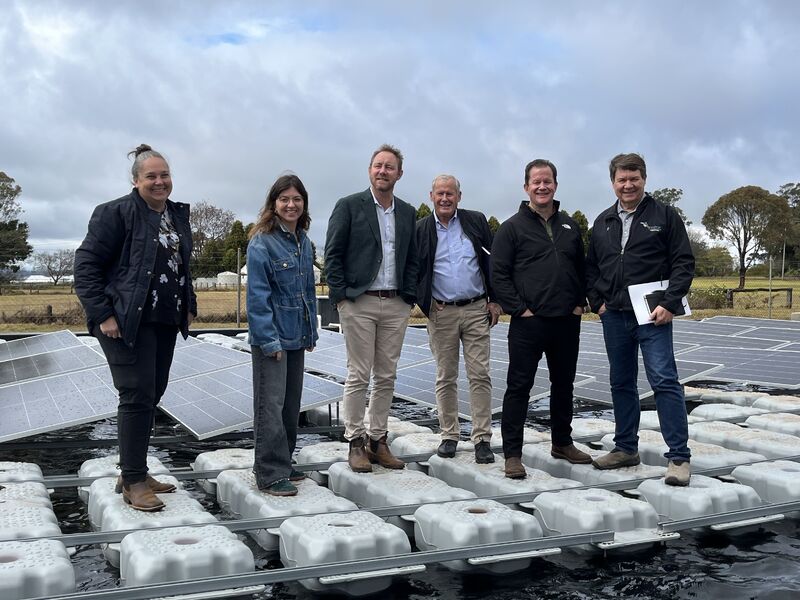
Water and resource management were equally prominent. At the University of Southern Queensland, discussions covered irrigation automation, water management and evaporation research. Kalfresh shared plans to turn farm and food-production residues into energy and fertilizer, while asking about California’s experience using agricultural waste as fuel. The trip to Bundaberg brought these questions into avocado and macadamia production, with attention to irrigation, orchard design, soil health, harvesting and packing.
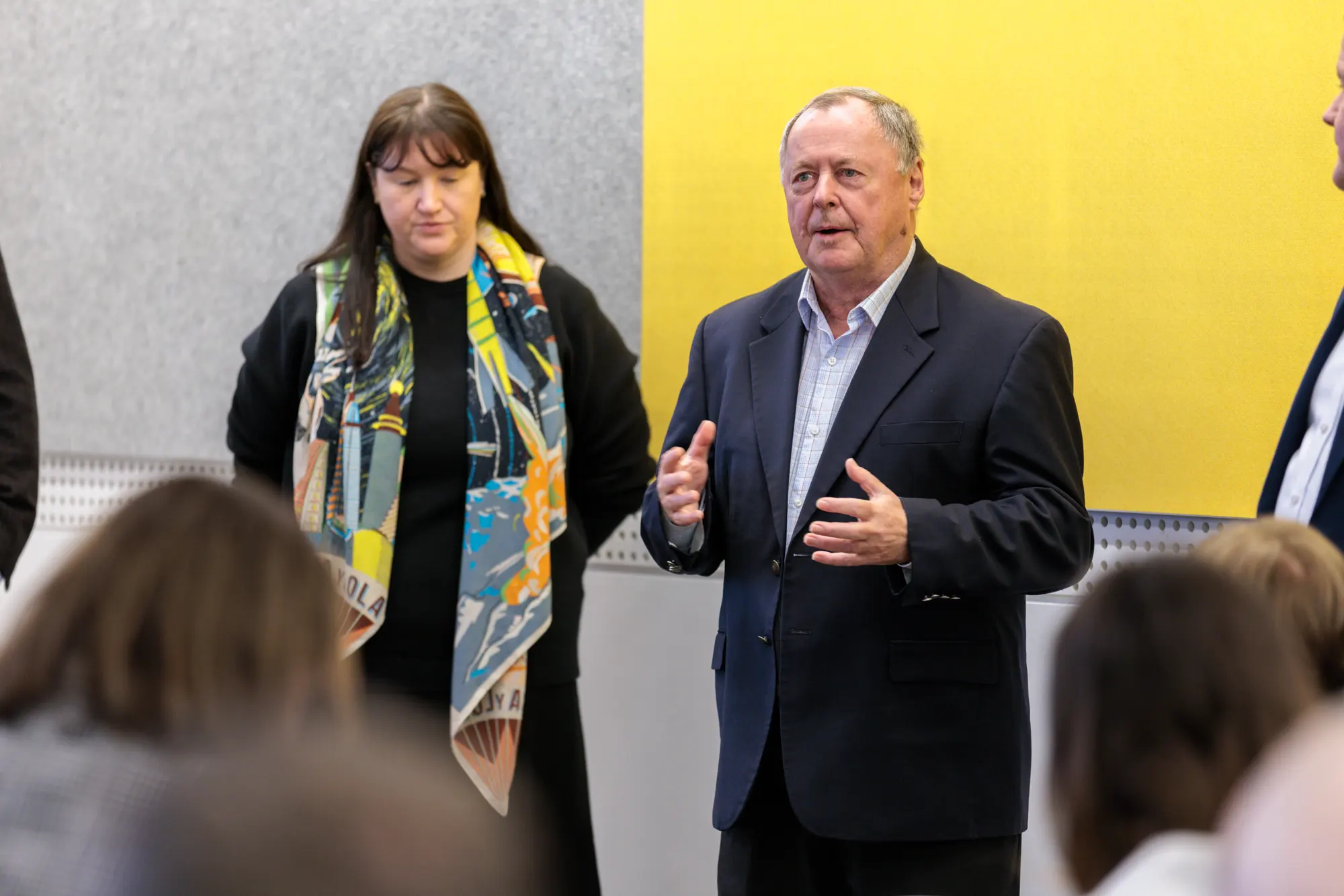
Workforce development appeared alongside these changes in technology and production. Kalfresh’s approach included apprenticeships and financial support for future agricultural leaders. Conversations at the opening dinner addressed attracting young people to agriculture and helping current workers develop new skills. Across these discussions, preparing people for changing farm operations was a recurring concern, alongside the search for technologies that could address labor shortages.
Getting research into practical use also meant looking at the partnerships behind it. Visits to Gatton Smart Farm and the University of Southern Queensland were accompanied by discussions with Queensland’s Department of Primary Industries about joint research and existing partnerships. With Toowoomba and Surat Basin Enterprise, the delegation discussed the California AgTech Alliance’s model for connecting businesses and institutions around agricultural innovation.
These threads came together in Melbourne on August 31 at the Australia–California Agriculture and AgTech Leaders Workshop. Government, industry, research and investment representatives explored biological and nonchemical crop protection, automation and digital tools to address labor shortages, and climate adaptation through water and energy management. The practical focus was on how shared challenges could become joint work in research, testing and commercialization. Participants were asked to identify priorities, potential leads in each country and short-term actions to move those opportunities forward.
As the trip drew to a close, California and Queensland signed a five-year memorandum of cooperation in Sacramento on September 1. The agreement establishes a framework for cooperation on agricultural research, technology, commercialization and climate resilience. California announced the agreement on September 3, outlining plans for CDFA and Queensland’s Department of Primary Industries to develop a joint action plan.
What we brought home
For the Alliance, the trip reinforced the importance of keeping growers’ needs at the center of agricultural innovation. Visits to farms, nurseries and research facilities grounded discussions in the practical questions that shape adoption: whether equipment fits an operation, how it uses resources and what skills workers need to use it. These examples reaffirmed the value of involving growers in setting priorities and testing solutions under working conditions.
The trip also underscored the connections among research, commercialization and workforce development. Irrigation research, autonomous equipment and apprenticeships address different parts of helping farms adapt. Bringing these efforts together helps ensure that promising technologies have both a path into practical use and people prepared to operate them.
Making those connections requires ongoing coordination across the ecosystem. The Australian examples reinforced the value of the Alliance’s model: bringing growers, researchers, businesses, public agencies and workforce partners together around shared priorities. Our role is to help partners understand what each contributes, identify gaps in support and connect the expertise and resources needed to move ideas into use on California farms.
Thank you to our hosts and partners
We thank Secretary Ross and CDFA for leading the delegation, and our Australian hosts for sharing their time, experience and questions. Queensland’s Department of Primary Industries, AgriFutures Australia, Toowoomba and Surat Basin Enterprise, Barden Farms, Kalfresh, Gatton Smart Farm and the University of Southern Queensland helped make the exchange possible, alongside the other growers, researchers and businesses who welcomed the delegation.
The visit strengthened the Alliance’s connections beyond California and gave us new perspectives to bring to our regional partners. We look forward to building on those relationships through work that helps growers make informed decisions, businesses develop useful technologies and people prepare for agriculture’s changing needs.